
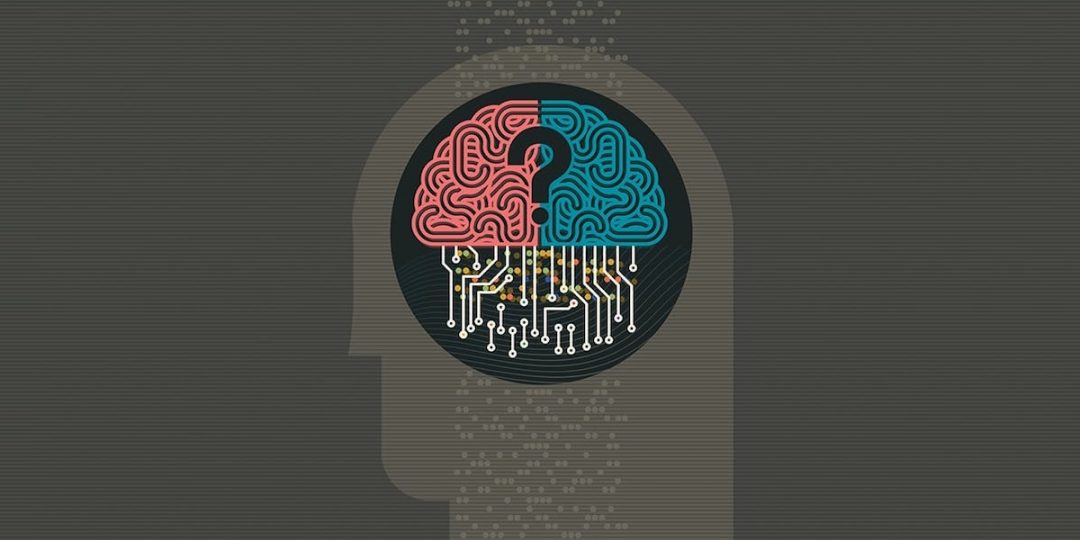
We have a new essay published in Deloitte Insights, A moral license for AI: Ethics as a dialogue between firms and communities. This collaboration with CSIRO’s Data61 looks into the challenge of creating ethical AI, picking apart the problems and proposing a way forward. There’s a launch event on the 2nd of September, 2020, which you can register for via Zoom.
Continue readingCategory: Technology and its malcontents
The new division of labor
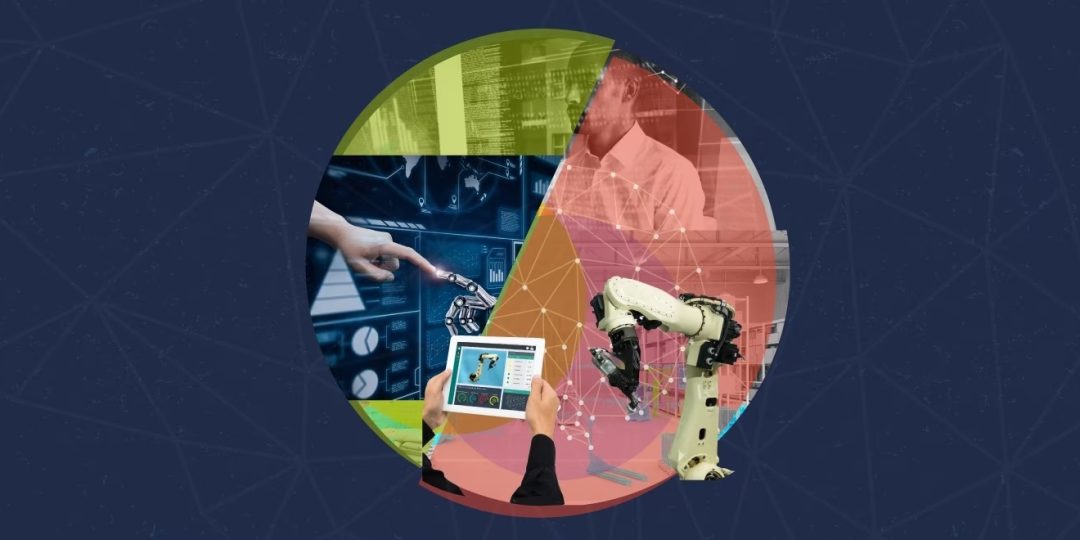
I, along with Alan Marshall and Robert Hillard, have a new essay published by Deloitte Insights – The new division of labor: On our evolving relationship with technology. This is the latest in an informal series that looks into how artificial intelligence (AI) is changing work. The other essays (should you be interested) are Cognitive collaboration, Reconstructing work and Reconstructing jobs.
Over the last few essays we’ve argued that humans and AI might both think but they think differently, though in complimentary ways, and if we’re to make the most of these differences we need to approach work differently. This was founded on the realisation that there is no skill – when construed within a task – that is unique to humans. Reconstructing work proposed that rather than thinking about work in terms of products, processes and tasks, it might be more productive to approach human work as a process of discovering what problems need to be solved, with automation doing the problem solving. Reconstructing jobs took this a step further and explored how jobs might change if we’re to make the most of both human and AI-powered machine using this approach, rather than simply using the machine to replace humans.
This new essay, The new division of labour, looks at what is holding us back. It’s common to focus on what’s known as the “skills gap”, the gap between the knowledge and skills the worker has and those required by the new technology. What’s often forgotten is that there’s also an emotional angle. The introduction of the word processor, for example, streamlined the production of business correspondence, but only after managers became comfortable taking on the responsibility of preparing their own correspondence. (And there’s still a few senior managers around who have their emails printed out so that they can draft a reply on the back for their assistant to type.) Social norms and attitudes often need to change before a technology’s full potential can be realised.
Continue readingDigitalizing the construction industry: A case study in complex disruption
I, along with a Robert Hillard and Peter Williams, have a new essay published by Deloitte Insights, Digitalizing the construction industry: A case study in […]
Continue reading
Your next future
I and a coauthor have a new report out on DU Press: Your next future: Capitalising on disruptive change. Disruption is something we’d been puzzling for […]
Continue readingCryptocurrencies are problems, not features
CBA announced an Ethereum-based bond market solution[ref]James Eyers (24 Jan 2017), Commonwealth Bank puts government bonds on a blockchain, Australia Financial Review.[/ref]) It’s the usual sort of […]
Continue readingYou can’t democratise trust
I have a new post on the Deloitte Digital blog. There’s been a lot of talk about using technology to democratise trust, and much of it shows […]
Continue readingWhy is blockchain so wasteful?
I have a new post up on the Deloitte blog, coauthored with Robert Hillard. As we point out in the post: Bitcoin Miners are being paid somewhere […]
Continue readingCan blockchain save the music industry?
I have a new post up at the Deloitte Digital blog: Can blockchain save the music industry? One of the trends we’re seeing across industry […]
Continue readingBlockchain performance might always suck, but that’s not a problem
I’ve been watching the Bitcoin scaling debate with some amusement, given that my technical background is in distributed AI and operational simulation (with some VR […]
Continue readingBitcoin’s not broken
A lot of high profile Bitcoin people are getting their knickers in a knot as they’re starting to realise that they don’t have any real […]
Continue reading